
A pill made of living gut bacteria cut bloodstream infections after stem cell transplants in a small, placebo-controlled trial published today in Nature Medicine. Among adults getting a donor blood stem cell transplant for blood cancers, 10% of people who took the experimental product SER-155 developed a bloodstream infection within 100 days, compared with 43% of people on placebo. Stem cell transplant infections are a serious risk because treatment wipes out the immune system for weeks, so a safe way to prevent them would matter to thousands of patients.
The catch: the trial was small, several other goals were missed, and the drug is not available outside research. Here is what the study did and did not show.
What the SER-155 Trial Tested
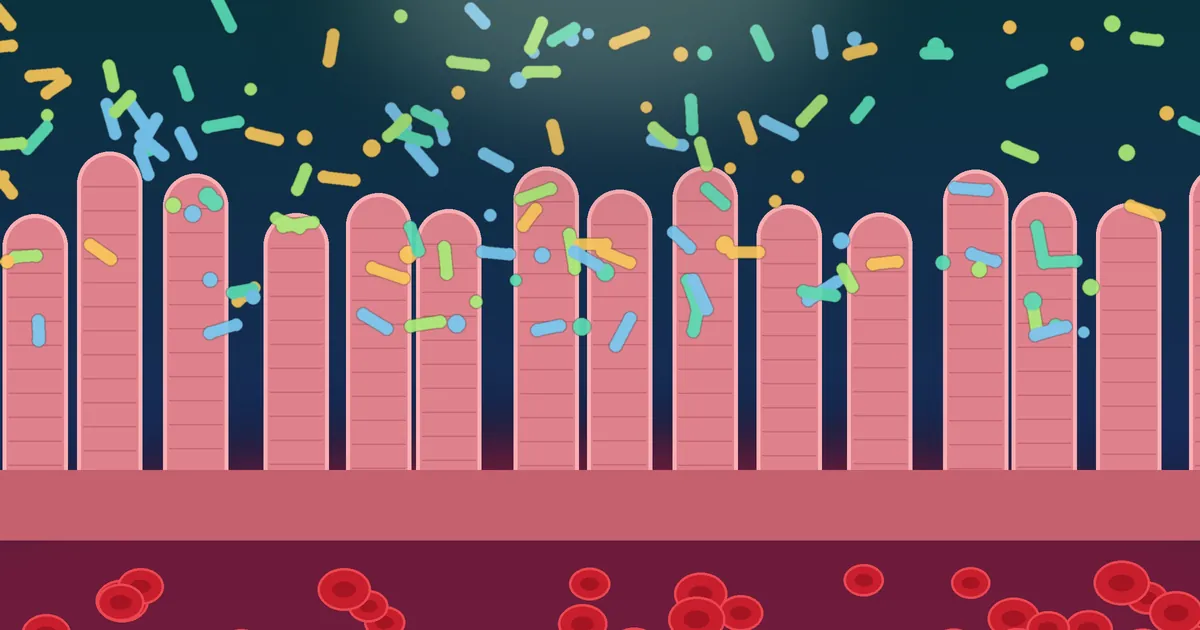
SER-155, made by Seres Therapeutics, is an oral mix of lab-grown bacterial strains, a type of product called a live biotherapeutic. The idea is to restock the gut with helpful bacteria after chemotherapy and antibiotics have stripped it bare. Think of it like planting ground cover in a cleared garden so weeds have less room to take over.
The Phase 1b study ran in two parts. An open-label group of 15 people came first. Then 45 people were randomized; 34 of them went on to receive study treatment and a transplant (20 on SER-155, 14 on placebo). People in the SER-155 arm first took the antibiotic vancomycin by mouth to “condition” the gut, then the bacterial capsules. Everyone was followed through day 100 after transplant.
Key results reported in the paper and the company’s announcement:
- Bloodstream infections: 10% with SER-155 vs. 43% with placebo, which the authors describe as a 77% relative risk reduction (P = 0.0423).
- Antibiotic use: an average of 9.2 days of systemic antibiotics vs. 21.1 days on placebo, per Seres.
- Safety: side effects were similar to placebo, mostly diarrhea and nausea, with no treatment-related serious adverse events and no infections caused by SER-155 strains.
- Engraftment: all 16 SER-155 strains were detected in the gut.
Stem Cell Tracker Analysis: What We Found
We read the full abstract, checked the trial registry and compared today’s paper with what Seres said before. A few points that most coverage skips:
The headline numbers are not new, but the peer review is. Seres first reported the same topline figures in September 2024. Today’s news is that they have now passed peer review and been published with the full dataset.
The numbers behind the percentages are small. Ten percent of 20 people and 42.9% of 14 people works out to about 2 infections vs. 6. The paper reports an odds ratio of 0.15 with a 95% confidence interval of 0.01 to 1.13. Because that range crosses 1, the estimate is still uncertain, even though the reported P value is under 0.05.
Several other goals were missed. Per the paper, differences in gut infections, moderate-to-severe acute graft-versus-host disease, febrile neutropenia and a combined endpoint were not statistically significant. A biological goal, reducing gut “domination” by Enterococcus and Enterobacteriaceae bacteria, was not achieved either.
Deaths occurred, but none were linked to the drug. Four people in the open-label group and four in the randomized group (two per arm) died during the study; the authors judged none attributable to SER-155.
What the registry shows. On ClinicalTrials.gov (NCT04995653) the study is listed as Phase 1, completed on July 23, 2024, with 60 people enrolled at 13 U.S. sites, including Memorial Sloan Kettering, City of Hope, Fred Hutchinson and several Mayo Clinic campuses. Seres sponsored the trial with Memorial Sloan Kettering as a collaborator, and Seres scientists, including its chief scientific officer, are among the paper’s authors. The company says CARB-X partly supported the program.
What comes next is unclear. SER-155 holds FDA Breakthrough Therapy and Fast Track designations, and Seres says it has agreed on a Phase 2 design with the FDA. But the company also says the program is Phase 2-ready “pending receipt of funding,” so no start date has been announced.
Why the Gut Matters After a Stem Cell Transplant
Before a donor stem cell transplant, patients get strong chemotherapy or radiation that clears out their bone marrow. That treatment also damages the gut lining, and heavy antibiotic use can wipe out normal gut bacteria. Until the new blood stem cells rebuild the immune system, germs that slip from the gut into the blood can be dangerous.
This link is not new. A 2012 Memorial Sloan Kettering study in Clinical Infectious Diseases found that when a single type of bacteria came to dominate the gut of transplant patients, their risk of bloodstream infection from that type rose sharply. SER-155 was built on that idea. Interestingly, today’s trial lowered infections without clearly reducing that domination, so exactly how it works still needs study. The company points to improved markers of gut barrier strength and less inflammation.
What This Means for Patients
People most likely to benefit someday are adults getting a donor (allogeneic) stem cell or bone marrow transplant for blood cancers such as leukemia, the group studied here. For now, SER-155 is experimental and is not available outside clinical trials. A larger Phase 2 study would come next, and it has no announced start date, so any approval is likely years away.
If you or a loved one is preparing for a transplant, infection prevention is already a core part of care. Ask your transplant team which steps they use and whether any trials are open to you. Be wary of clinics or online sellers promising “probiotic” or stem cell cures. Over-the-counter probiotics are not the same as SER-155, and unproven products can carry real risks for people with weak immune systems. Our stem cell clinic red flags checklist can help. This article is not medical advice; please talk to your doctor before changing anything about your care.
Sources
- Primary study: Ponce, DeFilipp et al., “A live biotherapeutic product for adult allogeneic hematopoietic cell transplantation recipients: a partially randomized, placebo-controlled phase 1b trial,” Nature Medicine, Nov. 3, 2026.
- Seres Therapeutics press release, Nov. 3, 2026: SER-155 Phase 1b results published in Nature Medicine.
- Seres Therapeutics press release, September 2024: SER-155 Phase 1b Cohort 2 results.
- ClinicalTrials.gov: NCT04995653.
- Taur Y, et al. “Intestinal domination and the risk of bacteremia in patients undergoing allogeneic hematopoietic stem cell transplantation,” Clinical Infectious Diseases, 2012.
Reviewed by Ty Lancaster, Editor. Stem Cell Tracker uses AI tools to help research and draft stories; see our Editorial Policy. This article is for education only and is not medical advice.