
2025 has been an historic year for stem cell research, with significant strides in clinical applications, safer therapies, and breakthrough discoveries.
From FDA clearances for cutting-edge treatments to innovative ways of regenerating tissues without harsh side effects, the field has moved closer to delivering practical regenerative medicine.
Below are the top headlines that defined the year, based on major scientific announcements and public engagement.
1. FDA Clears Multiple iPSC-Based Therapies for Neurological Conditions
In June 2025, the FDA granted Investigational New Drug (IND) clearance for three separate induced pluripotent stem cell (iPSC)-based therapies developed by XellSmart for treating major central nervous system (CNS) diseases. These clearances allow the company to initiate Phase I clinical trials in the United States for the following conditions:
Parkinson’s Disease (PD): The therapy involves allogeneic iPSC-derived dopaminergic neural progenitor cells.
Amyotrophic Lateral Sclerosis (ALS): This is a first-in-class treatment for the devastating rare neurodegenerative disease.
Spinal Cord Injury (SCI): An iPSC-based treatment targeting SCI also received clearance.
These therapies are “off-the-shelf” products derived from scalable, allogeneic cell sources, representing a significant advancement in the field of regenerative medicine for neurological conditions. The Parkinson’s therapy (XS-411) has already been administered in clinical studies in China with over 12 months of follow-up showing no cell therapy-related adverse events.
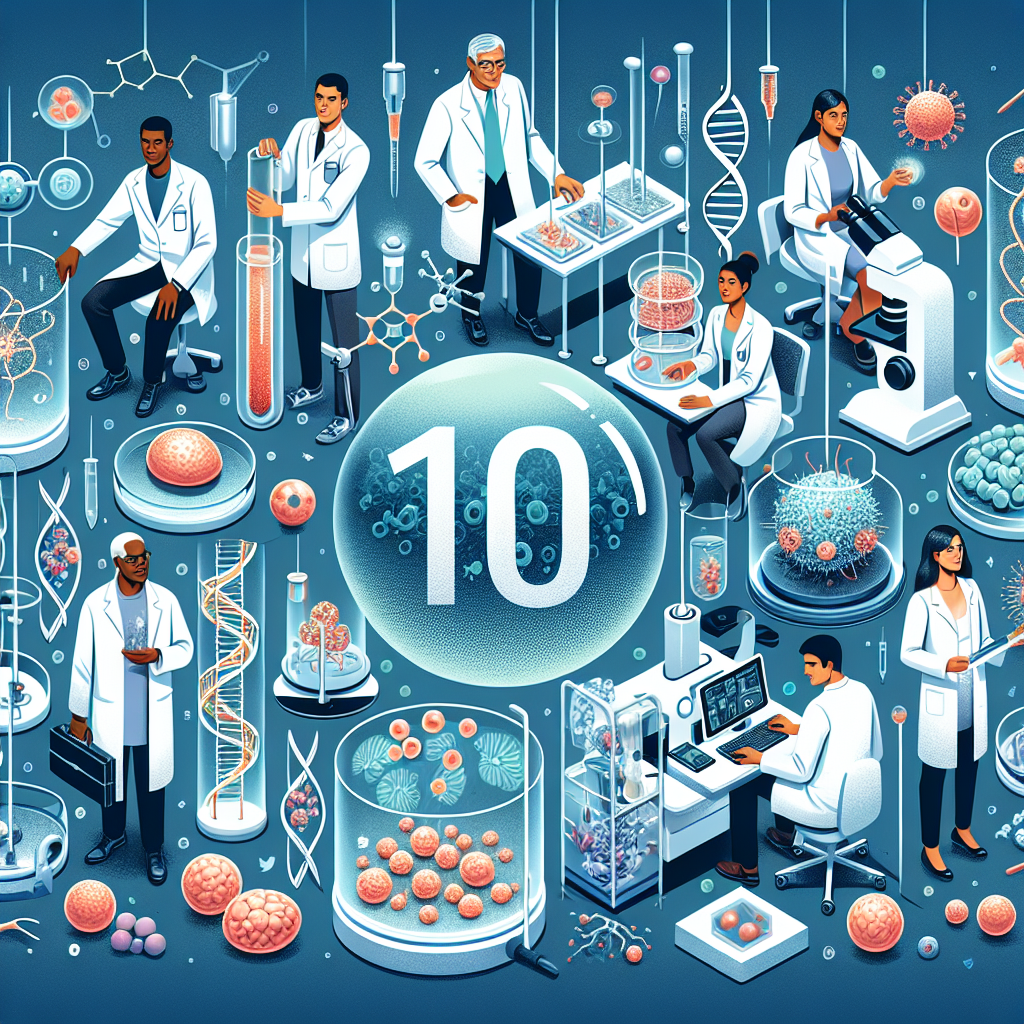
2. Stem Cell Therapies Named Among 2025’s “10 Breakthrough Technologies” list by MIT
MIT Technology Review included stem cell therapies on its prestigious “10 Breakthrough Technologies 2025” list. Notable progress was reported in clinical trials for epilepsy, where lab-grown neurons dramatically reduced seizure frequency, and type 1 diabetes, where transplanted insulin-producing beta cells enabled some patients to discontinue insulin injections by restoring natural blood sugar control.
3. Gentler Stem Cell Transplants Revolutionize Treatment for Fanconi Anemia
Researchers at Stanford developed an antibody-based preconditioning method that allows stem cell transplants without toxic chemotherapy or radiation. Three children with Fanconi anemia, a severe genetic blood disorder, were successfully treated and remain healthy two years later—a safer paradigm for genetic blood conditions.
4. Promising Results from Stem Cell-Derived Dopamine Neurons in Parkinson’s Trial
A phase 1 trial led by Memorial Sloan Kettering Cancer Center transplanted embryonic stem cell-derived dopamine neurons into Parkinson’s patients. After 18 months, the cells integrated safely, stabilizing or improving motor symptoms in participants and clearing the path for a larger phase 3 study.
5. Discovery of P Bodies’ Critical Role in Stem Cell Fate
Scientists at the University of Colorado uncovered how cellular structures called P bodies regulate stem cell differentiation. This finding opens new possibilities for precisely controlling cell development, with broad implications for future regenerative therapies.
6. Stem Cell Skin Grafts Bring Relief to Epidermolysis Bullosa Patients
A Stanford clinical trial used genetically corrected skin grafts derived from patients’ own cells to heal chronic, painful wounds in children with epidermolysis bullosa (often called “butterfly skin”). The approach demonstrated the real-world potential of tissue engineering for rare genetic skin disorders.
7. Advanced Stem Cell Models Deepen Understanding of Early Human Development
Breakthroughs in stem cell-derived embryo models (gastruloids) provided ethical alternatives for studying early development. Combined with cutting-edge tools like spatial transcriptomics, these models revealed new insights into stem cell subpopulations and signaling pathways.
8. Global Catalog Expands with 166 New Pluripotent Stem Cell Lines
The International Society for Stem Cell Research (ISSCR) announced the availability of 166 new human pluripotent stem cell lines for research. This open-access resource significantly boosts international collaboration and accelerates progress across regenerative medicine.
9. Fasting Shown to Double Stem Cell Regenerative Capacity
Multiple studies in 2025 linked intermittent fasting to enhanced stem cell regeneration, promoting cellular cleanup and renewal. The research suggests potential benefits for longevity and reducing age-related diseases.
10. Multiple Warnings About Unproven Stem Cell Clinics
As legitimate advances accelerated, experts such as Professor Paul Knoepfler of UC Davis, reiterated concerns about unregulated clinics offering unproven “stem cell” treatments. The scientific community emphasized the importance of evidence-based therapies to protect patients from overhyped and potentially harmful interventions.
Read: Stem Cell Clinic Red Flags + Free PDF Checklist
Bonus: Florida passed a significant stem cell therapy bill in 2025
Florida passed a significant stem cell therapy bill in 2025.

The legislation, Senate Bill 1768 (CS/CS/SB 1768), was signed into law (Chapter 2025-185) and took effect on July 1, 2025. It authorizes licensed physicians (MDs and DOs) to administer and market certain stem cell therapies not approved by the FDA, specifically for treatments related to orthopedics, wound care, and pain management.
Looking Ahead
2025 has solidified stem cell therapy as one of the most promising frontiers in medicine. With safer protocols, regulatory green lights, and deeper biological insights, the field is poised for even greater clinical impact in the coming years.
Patients, researchers, and the public alike have reason to be optimistic going into 2026.
Which stem cell breakthrough do you think had the most impact in 2025?